





E-E-A-T for answer engines means applying the Experience, Expertise, Authoritativeness, and Trustworthiness signals that AI platforms verify before citing any source. Google AI Overviews, ChatGPT, Perplexity, Gemini, and Bing...
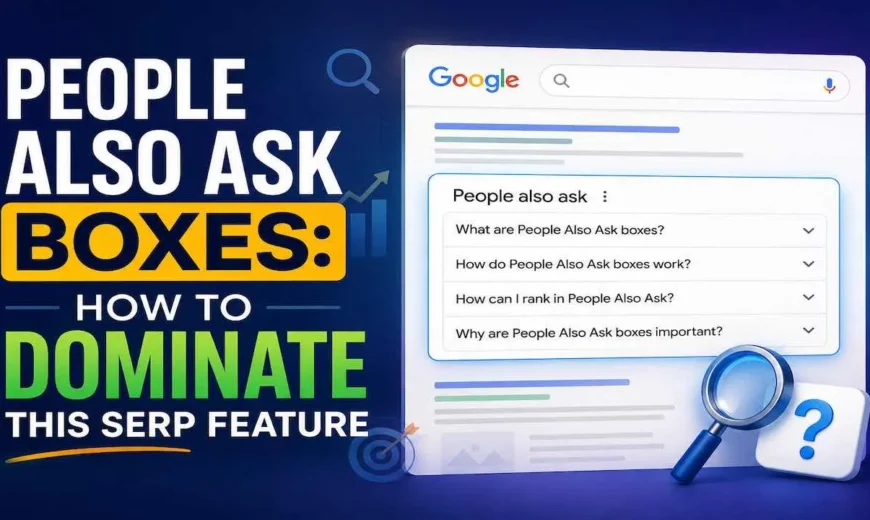
People Also Ask boxes appear on 64.9% of all Google searches, and any page, even one sitting at organic position 14, can win these placements. Google selects PAA answers...

Semantic SEO is the practice of optimizing content for meaning, entities, and context rather than keyword frequency. It tells Google exactly what your page covers. It also tells AI...

LLM training data is the large language model dataset AI systems process during pretraining to learn language, facts, and reasoning. To get your content into it, allow AI bots...

Zero-click search optimization is the practice of structuring content to win featured snippets, People Also Ask boxes, AI Overviews, knowledge panels, and other SERP features that answer user queries...

Google AI Overviews now appear on 48% of all searches (BrightEdge) and cause a CTR collapse of up to 61% for uncited pages (Seer Interactive). Brands invisible in AI...
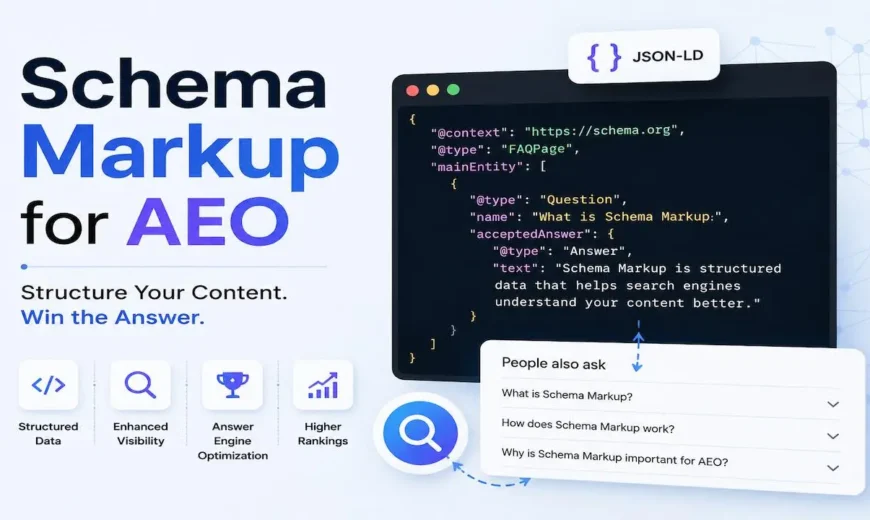
Schema markup for AEO is answer engine optimization schema: structured data you add to your page HTML so AI engines can extract, attribute, and cite your answers without guessing...

Claude AI optimization is the practice of structuring content so Anthropic’s Claude reads, verifies, and cites it inside synthesized answers. Claude retrieves live web content from Brave Search, not...
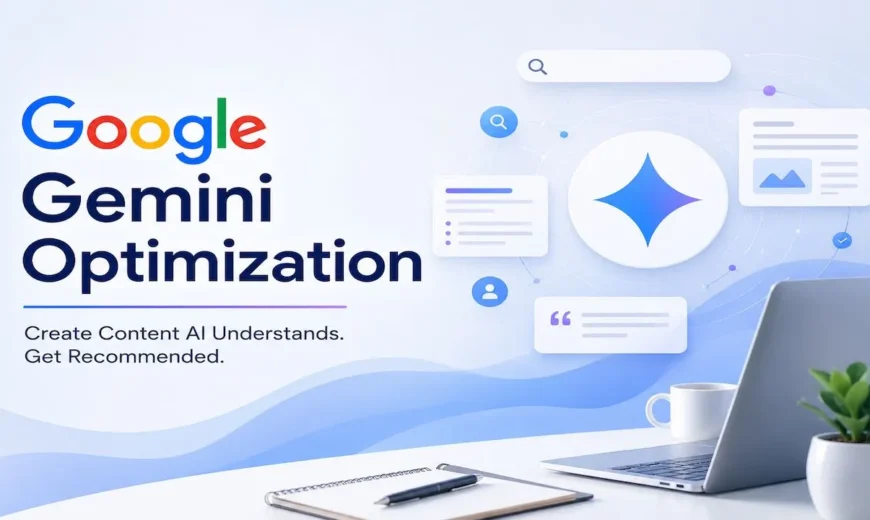
AI Overviews cite multiple sources. Passage optimization, schema markup, and EEAT signals determine citation selection. AI Overviews appear on 48% of all Google searches. That figure comes from BrightEdge...
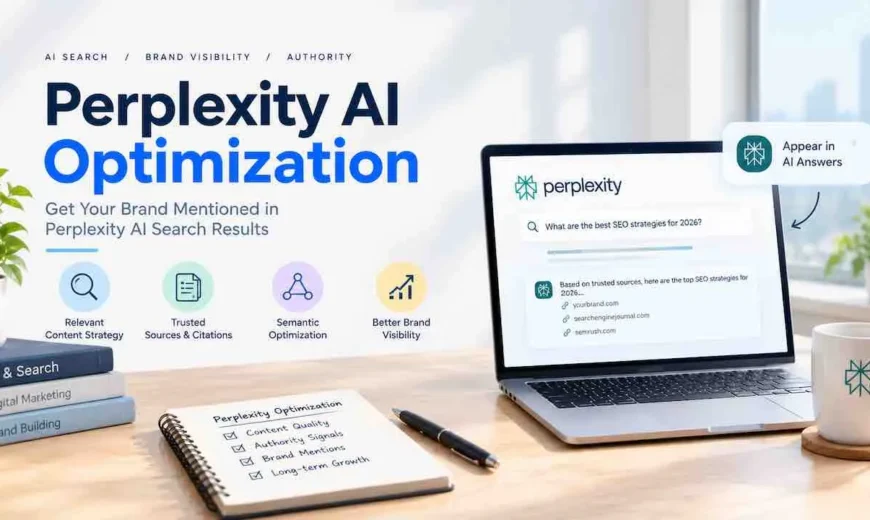
Perplexity AI optimization gets your content cited as a source in Perplexity AI answers. Perplexity SEO combines crawler access, answer-first structure, schema markup, and entity authority. Together these signals...